The Ultimate Guide to Flooring Solutions Beyond Carpets
Let me guess—you thought of carpets first when you pictured the perfect floor for your space. Maybe even found your way to our guide for buying carpets in Australia.
But then you realised. As nice as they are, carpets aren’t always the best flooring for your home.
They can be tricky to clean, heavy traffic isn’t their friend, and moisture’s pretty much their arch-nemesis.
And beyond the practical stuff, there’s the style factor. Some spaces just beg for something more elegant, woodier, or shiny. Like hard or cork flooring. Not the fluffy vibe.
Bottom line: your floor should fit both your lifestyle and your preferred aesthetics. So, if carpets aren’t ticking both boxes, don’t force it.
We’ll walk you through all other flooring solutions beyond carpets. One of them is bound to shape your space exactly the way you want it!
Overview of the Best Flooring Solutions in Albury, Wodonga
Flooring Type | Durability | Maintenance | Comfort Underfoot | Moisture Resistance | Cost |
Carpet | Medium-High | High | Very Soft | Low | Medium-High |
Engineered Timber & Oak | Very High | Medium | Moderate | Medium | High |
Vinyl Plank | Medium-High | Low | Moderate | Very High | Low |
Hybrid Flooring | Very High | Low | Moderate | Very High | Medium-High |
Cork Flooring | Medium | Low | Soft | Medium | Medium |
Laminate Flooring | Medium | Medium | Moderate | Medium-Low | Low |
Engineered Timber and Oak Flooring

Let’s start with engineered timber and oak flooring, our go-to recommendation if you’re after a timeless wood-like aesthetic.
This high-quality engineered flooring solution is not some faux alternative to solid timber. Each plank still has a real hardwood surface, so you get the natural texture underfoot and that unmistakable timber look.
But here’s the difference. Engineered timber uses layered cores of HDF or plywood, making it tougher, more stable, and far better suited for everyday living than just solid timber.
Classic wood look—without the headaches of costly maintenance and repairs.
Top Features of Engineered Timber and Oak Flooring
Luxurious aesthetics. Again, this flooring’s surface is indistinguishable from pure timber, so it delivers that high-end look that, as a bonus, can boost the resale value of your home.
Long-lasting flooring solution. Flooring solutions like vinyl planks or laminate flooring also mimic the visuals of pure timber. But engineered timber and oak flooring clearly take the crown for longevity. With the right maintenance and care, this floor can last well over 25 years.
Sustainable option. It may seem ironic at first, but engineered timber and oak floors are actually more eco-friendly than solid timber planks. They use less hardwood, and while the manufacturing process is more complex, it uses non-toxic materials.
Vinyl Plank Flooring

You can’t trust carpets or engineered timber planks around moisture. But premium vinyl plank flooring? It thrives even when exposed to standing water.
These planks’ hyper-realistic prints mimic the look of timber. But since they’re not actually wood, they can be manufactured to be waterproof.
You can use premium vinyl plank flooring in kitchens, basements, patio decks, and bathrooms—an application range that carpets and engineered timber just can’t match. Vinyl planks are also a favourite for rental properties, thanks to their low price point and ease of replacement in case of damage.
Top Features of Vinyl Plank Flooring
Waterproof and resistant to fading. Don’t limit your options to tiles for moisture-prone areas. High-quality, luxury vinyl planks withstand puddles if installed and maintained properly.
Soft underfoot feel. It won’t be as fluffy or cozy as carpets or rugs for sure, but it’s far more comfortable to walk on compared to flooring options like stone, ceramic tile, or even hybrid flooring.
Incredibly low maintenance. Unlike carpets, there’s no constant vacuuming needed. You just need to sweep and mop regularly to keep vinyl plank flooring looking its best.
Hybrid Flooring

Hybrid flooring is as diverse and modern as its name sounds.
However, the most common way to describe this flooring is that it effectively combines the realistic prints of vinyl planks with the rigid stability and texture of laminate flooring.
This flooring solution looks and feels like wood, even without any pure timber. Oh, and it usually lasts way longer than other flooring options.
Fun fact: You’ll find two types of top-quality hybrid flooring. The Stone Plastic Composite, SPC flooring, which is made of limestone and PVC core. And the Wood Plastic Composite, WPC, flooring is made from recycled wood and PVC core.
Top Features of Hybrid Flooring
Durable under heavy use. Pets, kids, sun exposure, and spills—you name it, the waterproof and resilient hybrid flooring can handle it all. It’s a go-to for both living rooms and kitchens, where traffic is nonstop and the wear-and-tear can get pretty intense.
Premium wood-like feel. Unlike vinyl planks, which are softer underfoot, hybrid flooring feels firm and closer to real wood. This makes it perfect for anyone chasing that authentic wood vibe without the heavy upkeep or steep price tag.
Selection diversity. Hybrid flooring comes in a huge range of timber-inspired designs. You can play around with the textures, colours, and grain patterns, and the results will look strikingly close to the real thing.
Cork Flooring

Next, we have cork flooring, which is perhaps the best carpet alternative for warmth and soft underfoot. Think of it as a middle ground between the carpets’ soft underfoot nature and natural timber’s classic appeal.
But what truly sets premium cork flooring apart from all other options is that it is 100% biodegradable.
Plus, it’s not as mainstream as timber or vinyl, so you get a floor that feels unique to your home, setting your space apart from others.
Top Features of Cork Flooring
Very sustainable. No trees are cut down to produce cork flooring. To produce it, bark is carefully harvested from living trees—and it naturally regrows.
Thermal insulation. Sure, carpets take the crown for warmth underfoot, but cork flooring comes in a close second. It’s an ideal solution to prevent home floors from getting too cold in winter.
Noise reduction. The soft material isn’t just great for underfoot comfort. It’s also excellent at absorbing too much noise, making it ideal for second-story floor homes. Kids can run and jump around without disturbing the kitchen downstairs.
Laminate Flooring

Laminate flooring is another low-cost option that delivers a timber-like appearance without losing out on durability at its core. This one’s often confused with hybrid flooring because both have a very similar, textured print layer.
But the major difference lies in the core material. Laminate flooring uses HDF or MDF boards, which are essentially compressed wood fibres. Hybrid flooring, on the other hand, uses a rigid core made from limestone composite or PVC.
This difference makes premium laminate flooring highly sturdy while still being affordable. It’s just not suitable for water-prone areas.
Top Features of Laminate Flooring
Realistic timber feel. The embossed surfaces mimic natural grain textures, so you’ll get an almost “real wood” experience walking across them.
Budget-friendly. Laminate flooring can be cheaper than high-end carpets and engineered or hybrid planks while still delivering a solid timber aesthetic and durability.
Durable and scratch-resistant. No need to worry about claws and toys scratching it. Laminate flooring is incredibly durable and resistant to everyday scratches.
Commercial Flooring

Now, commercial flooring isn’t actually a “type” of flooring. It’s more like the category that encompasses all flooring solutions meant for commercial spaces.
Commercial flooring types are built to withstand way more wear and tear than is seen in typical homes. After all, places like schools and businesses don’t just see thousands of people daily. Their floors also need to handle trolleys, endless spills, and outdoor shoes dragging in dirt.
Best Flooring Solutions For Commercial Spaces
Luxury vinyl tiles - These tiles may look identical to residential vinyl planks. But their thicker wear layers and stronger cores make them built to last in high-traffic environments.
Carpet tiles - Think of this as the smarter alternative to carpet rolls. If one section of the floor gets stained or damaged, you can just replace a tile instead of redoing the entire floor.
Rubber flooring - These are perfect for spaces that need to absorb shock when objects or equipment fall. You’ll often see them in gyms, labs, and schools.
Marmoleum - This is an environmentally friendly floor that’s tougher than vinyl and can be customised into virtually any colour, marbled pattern, or even a plank-style timber look.
Safety flooring - This type of floor is specifically designed for commercial areas that are prone to slips and falls. It adds cushioning and grip, reducing accidents where safety is critical.
Rugs and Runners

You don’t have to give up the soft, cozy feel of carpets just because you choose hard flooring.
Rugs and runners are the perfect middle ground. They add comfort underfoot while also doubling as stylish accents for your space. And the best part is they’re just as customisable as carpets—if not more!
On top of textures and colours, you’ll have full control over the size and placement of your chosen rugs and runners.
Top Features of Rugs & Runners
Spatial and design flexibility. Rugs can be swapped out and moved around with ease. So, you can easily change how your floor looks anytime you like.
Zero installation. Remove it from the package, place it wherever you want in your home, and you’re good to go. Upgrading your floor’s look cannot get easier than that.
Affordable style upgrade. Rugs and runners are the cheapest way to get a “new floor” vibe on this list. No need to redo the entire room. Just add, remove, or swap the rug.
Flooring Underlay

The flooring underlay rarely gets the spotlight when homeowners or businesses think about flooring. However, it plays a crucial role in the overall longevity and quality of any flooring type you choose.
Consider this thin layer below the floor as the quality control of your flooring.
The materials of high-quality flooring underlay can vary from foam to felt to rubber, but an underlay’s role remains consistent. It protects the surface above, adds comfort underfoot, reduces noise, and even helps with temperature insulation.
Is flooring underlay always necessary?
The answer’s NO. Some flooring types, like vinyl planks or glued-down engineered timber, don’t need it. Certain hybrid boards also come with an attached underlay.
But if your flooring type, like carpets or floating laminate, requires one and you skip it, the quality of your floor goes downhill much faster than you’d expect.
That’s why it’s always best to have your space assessed by flooring experts to decide whether you need underlay, and which type is right for your project.
Subfloor Preparation

Below your flooring and underlay lies the subfloor—the crucial foundation of your flooring.
It’s very rare for a subfloor to be in perfect condition. So, before any flooring installation, a subfloor preparation process always takes place.
This is when experts check that your subfloor is suitable for the flooring type you’ve chosen and make the necessary “touch-ups” to ensure it’s level, protected from moisture, and ready to support or exceed your floor’s full lifespan.
Subfloor preparation is a step you can’t skip. If it’s done poorly, your floor can warp, develop uneven surfaces, or even wear out within just a few years. That’s why here at Middleton’s Carpets, it’s always the first thing we tackle—and the one thing we never compromise on.
FAQs About Flooring Beyond Carpets
Is hybrid better than laminate?
Hybrid isn’t necessarily “better” than laminate. The two aren’t ranked in tiers. They’re more like parallel options. Laminate shines as the budget-friendly choice, with a more realistic timber feel and sound. Hybrid, on the other hand, wins on durability and being fully waterproof. Each has its own strengths, so the right pick depends on your space and priorities.
Which flooring is best for pets?
Honestly, most modern floors can handle pets if you choose wisely. Even carpets now come in pet-friendly options. But if you want easy cleaning and zero stress, hybrid’s the winner. It’s waterproof (so potty accidents won’t be a nightmare for your floor), scratch-resistant, and overall extremely durable.
What is the most durable flooring option?
Of course, when it comes to durability, nothing beats commercial-grade flooring. But if we’re talking about residential use (and price point), hybrid flooring wins the game. It’s designed to last, even with kids, pets, and heavy daily use.
The Best Flooring Solution For Your Space
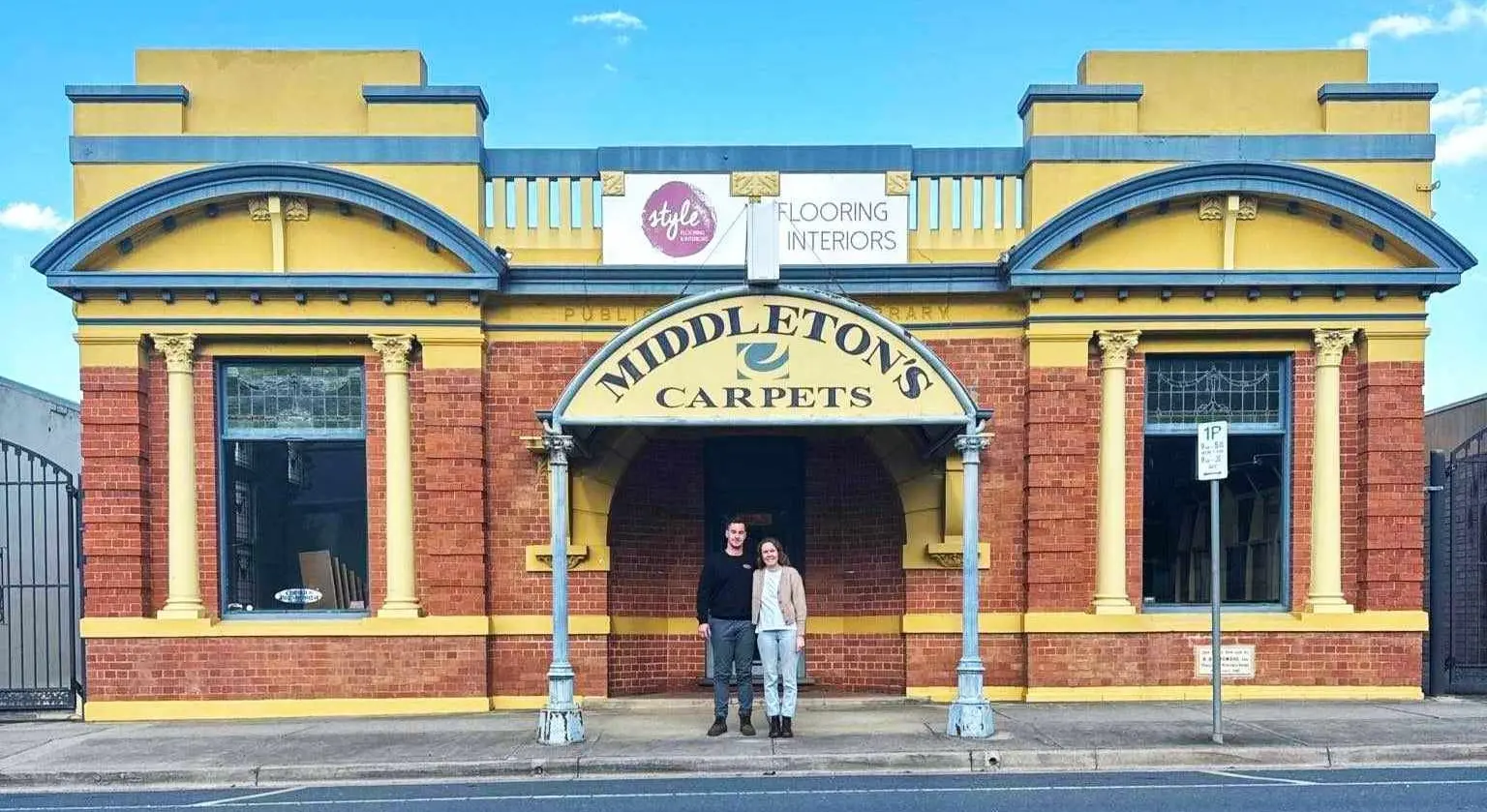
At Middleton’s Carpets, we never rank flooring products in a tiered pyramid where one outranks the others.
Rather, we look at them as a collection of equal solutions, each having its own strengths and even personalities. In a way, every flooring type can be the perfect choice for homes, rooms and commercial spaces in Albury-Wodonga.
It all depends on what you prioritise—durability, price point, vibe, unique aesthetics, or functionality.
We know picking one out of all these flooring choices is hard.
So if you ever need to assess your flooring needs through an expert’s lens—feel free to reach out to our team. Or better yet, visit our showroom, where we’ll walk you through when and how each flooring type really shines.
No pressure. No consultation fees. We’re here to bring your flooring goals to life only when YOU are ready.